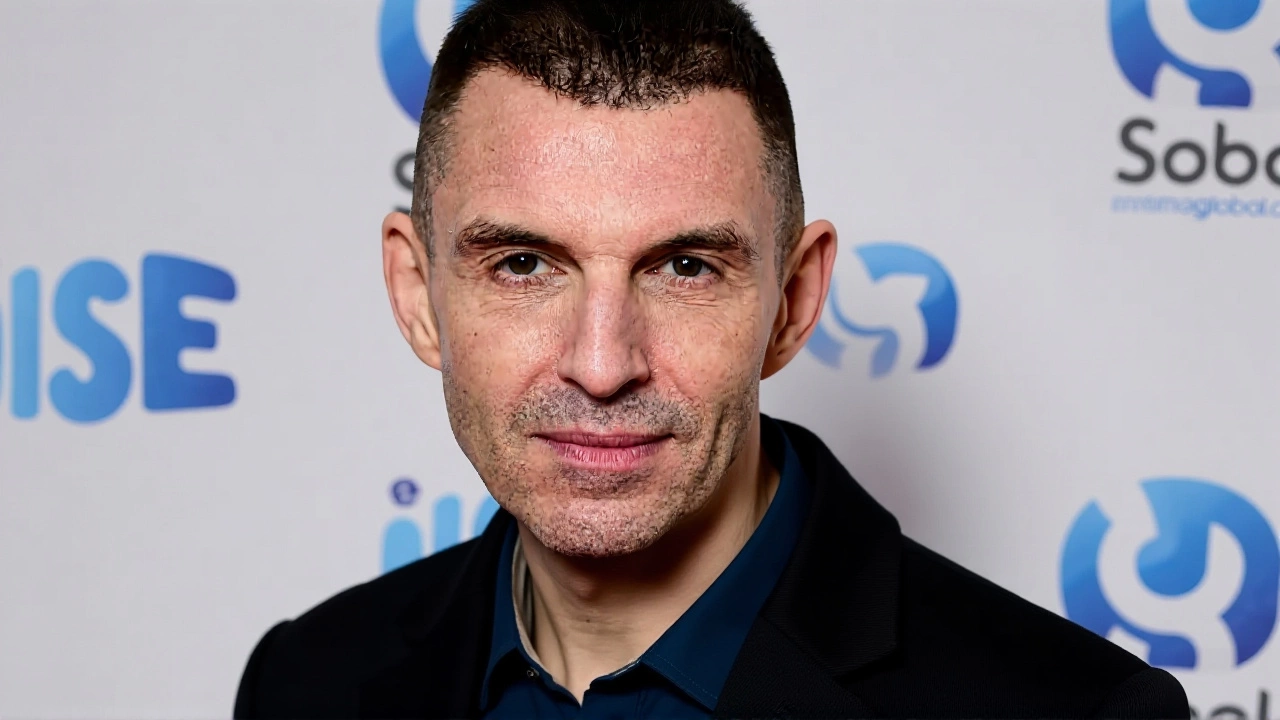
Former BBC Radio 1 DJ Tim Westwood, 68, walked out of a London courtroom on November 10, 2025, under conditional bail — not as a free man, but as someone facing some of the most serious allegations of his life. He’s accused of raping and sexually assaulting seven women over a 26-year span, with incidents stretching from the heart of BBC studios in the 1990s to a music festival in London around 2016. The case, brought forward by Metropolitan Police investigators, has sent shockwaves through British media circles, not just because of the gravity of the charges, but because of who he was: a towering figure in UK radio, the voice behind countless chart shows and celebrity interviews, and a man who helped define the sound of British pop culture for decades.
The Allegations: A Pattern Spanning Decades
According to court documents released during his November 10 appearance, Westwood is charged with three counts of indecent assault at BBC studios during the 1990s, one count of rape at a London hotel in 1996, and one count of sexual assault at a music festival approximately 20 years later — placing that incident around 2016. That’s seven specific allegations, but the prosecution says there are seven victims total. Two remain unnamed in public reports, their stories still sealed in the legal process. The indecent assaults allegedly occurred in back rooms, dressing areas, and offices at BBC’s Broadcasting House and Wogan House — places where aspiring artists and interns once believed they were safe. The 1996 rape allegation centers on a private hotel stay following a radio event, according to the prosecution. The 2016 incident reportedly happened at an unnamed London festival, possibly during a promotional appearance Westwood made after his peak BBC years.Who Is Tim Westwood? A Legacy in the Shadows
Westwood rose to fame in the late 1980s as one of the first DJs to bring hip-hop to mainstream British radio. He wasn’t just a presenter — he was a gatekeeper. His show on BBC Radio 1 was a launchpad for artists like Eminem and Jay-Z in the UK. He had access, influence, and a charisma that made him a fixture in the industry. For years, whispers followed him — rumors of inappropriate behavior, of powerful men using their position to intimidate. But until now, no formal charges were ever filed. The silence, many say, was part of the system. Now, the system is moving. And the public is watching.The Legal Process: Bail, But Not Freedom
Conditional bail means Westwood isn’t in jail — but he’s not free either. The court imposed restrictions, though none have been publicly disclosed. It’s standard in cases like this: surrender of passports, no contact with alleged victims, regular check-ins with police, possibly a curfew. He’s required to appear at a future date — but that date hasn’t been set. Legal experts say the prosecution will need to build a timeline that connects the dots between the alleged incidents, corroborate witness statements, and possibly secure forensic or digital evidence from the 1990s and 2010s — a challenge, given how long ago many events occurred. The BBC has not commented publicly on the charges, though it’s known the corporation has a zero-tolerance policy on sexual misconduct. Westwood left the BBC in 2019 after a 30-year tenure. He was not fired — he stepped away under unclear circumstances. Now, that decision looks very different in hindsight.Why This Matters Beyond One Man
This isn’t just about Tim Westwood. It’s about the culture that allowed powerful media figures to operate with impunity for decades. The #MeToo movement forced institutions to look inward — but many still resist. In music and broadcasting, influence was currency, and silence was the price of entry. Survivors who came forward in recent years say they were told, "You’ll ruin your career," or "No one will believe you." Westwood’s case may be the latest in a long line of reckoning — but it’s one of the most high-profile in the UK media landscape. The fact that these allegations span nearly three decades suggests a pattern, not isolated incidents. And that’s what prosecutors are now trying to prove.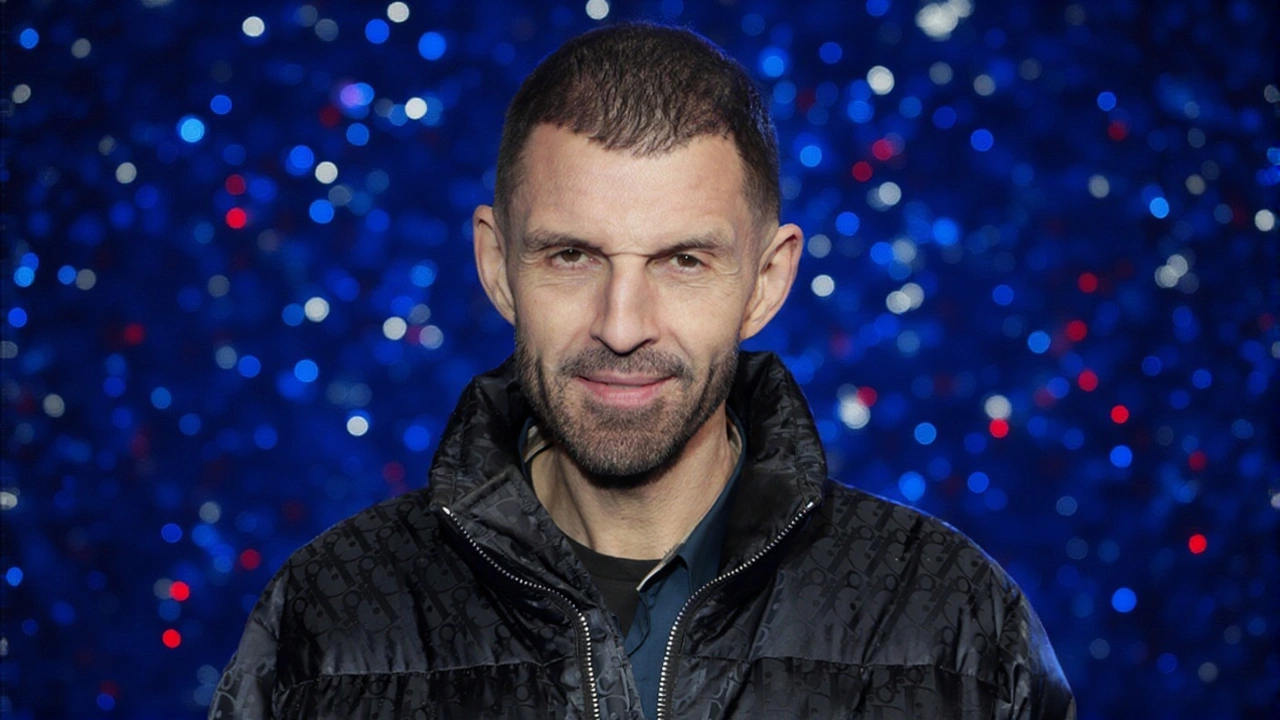
What Happens Next?
No trial date has been scheduled. Legal timelines in complex sexual offense cases often take 12 to 24 months, especially when evidence is dated. The Crown Prosecution Service will now review witness statements, communications, and any potential corroborating records — possibly including old tour itineraries, hotel receipts, or even audio logs from BBC broadcasts. Westwood’s legal team has not issued a public statement. His lawyers are likely preparing a defense strategy that may challenge the credibility of witnesses, question the reliability of memory over time, or argue consent — all standard tactics in such cases. Meanwhile, victim advocacy groups like the London Sexual Assault Support Service are preparing to offer expanded resources. They’ve seen a 40% spike in inquiries since the news broke.Historical Context: A Pattern in Media
Westwood’s case echoes others: Jimmy Savile, Rolf Harris, Russell Brand — all media icons whose legacies collapsed under the weight of sexual misconduct allegations. What’s different here? The timing. These charges come not during a media frenzy, but after years of quiet persistence by survivors. The fact that the allegations span the 1990s to 2016 means they survived long after Westwood’s peak fame. That’s significant. It suggests the behavior didn’t stop — it evolved. And it suggests the system failed to intervene at every stage.Frequently Asked Questions
What are the specific charges against Tim Westwood?
Westwood faces seven allegations involving seven women: three counts of indecent assault at BBC studios during the 1990s, one count of rape at a London hotel in 1996, and one count of sexual assault at a London music festival around 2016. Two additional allegations remain unspecified in public reports. Indecent assault under English law involves non-consensual sexual touching; rape is defined as non-consensual penetration under the Sexual Offences Act 2003.
Why hasn’t the BBC commented on the charges?
The BBC has not issued a public statement as of November 11, 2025, despite Westwood’s 30-year tenure. The broadcaster has a formal zero-tolerance policy on sexual misconduct, and internal reviews were conducted after his departure in 2019 — but no public findings were released. Silence may reflect legal caution, ongoing internal investigations, or institutional reluctance to engage while proceedings are active.
Could this lead to more victims coming forward?
Yes. Since the bail announcement, the London Sexual Assault Support Service reported a 40% increase in inquiries. Many survivors wait years — sometimes decades — to speak out, especially when the accused holds cultural power. The media attention around Westwood’s case may encourage others who felt silenced to contact authorities, potentially expanding the scope of the investigation.
What’s the likelihood of a conviction?
It’s too early to say. Convictions in historic sexual assault cases are difficult — memory fades, evidence is scarce, and defenses often attack credibility. But prosecutors are increasingly using pattern evidence: showing a consistent behavior across multiple victims over time. If they can link the 1990s, 1996, and 2016 incidents as part of a broader pattern, the case becomes stronger. Legal analysts estimate a 50-60% chance of charges proceeding to trial, but conviction rates remain uncertain.
How does this affect Westwood’s legacy?
His legacy as a music pioneer is already being re-evaluated. Streaming platforms have quietly removed his playlists from curated BBC channels. His name is being erased from retrospectives. In the UK, public figures are increasingly judged not just by their talent, but by their conduct. Even if acquitted, the allegations alone have permanently altered how he’s remembered — and that, in itself, is a form of accountability.
When will we know the next court date?
No date has been set yet. Typically, after a bail hearing in complex cases like this, the next hearing — called a plea and case management hearing — occurs within 6 to 12 weeks. The Crown Prosecution Service will need time to finalize evidence. Updates will likely be announced via the Westminster Magistrates’ Court or through official BBC News bulletins.